How to Report Credit Score Errors
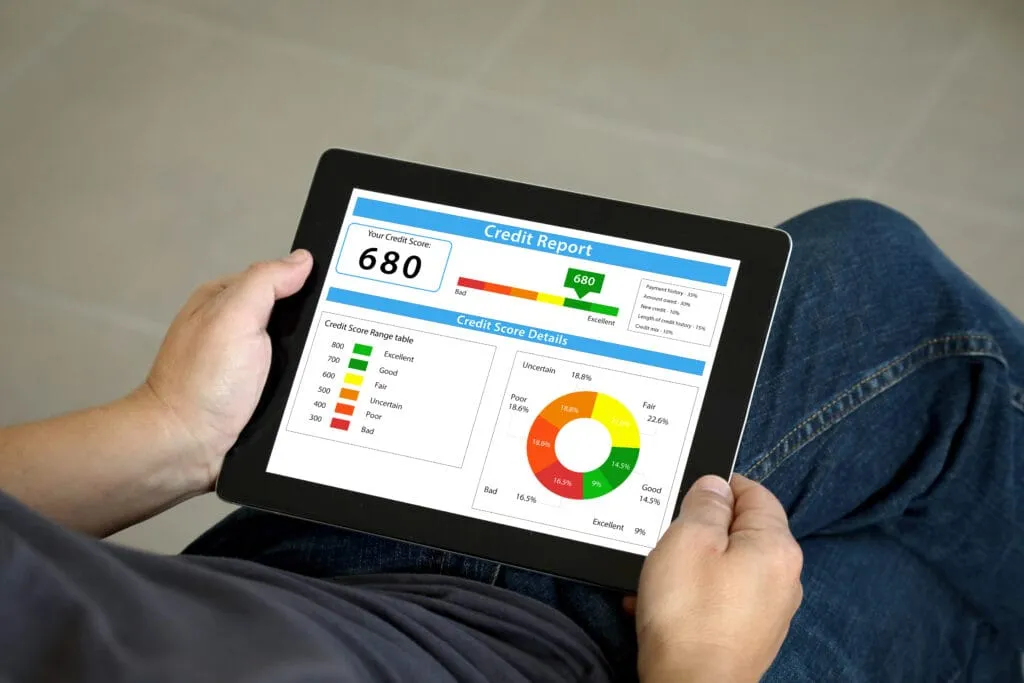
Most people think that getting pre-approved is the first step of the homebuying process. But before you talk to mortgage lenders, it's a good idea to look over your credit reports. If you have errors that are causing your credit score to drop, you may end up paying more than you need to on your home. Nobody wants that! Here’s what you need to know about how to dispute credit reports.
Kinds of credit score errors to watch for
Credit reporting errors are more common than you’d think. In 2018, nearly a quarter of the complaints that the Consumer Financial Protection Bureau received were about credit report inaccuracies. That’s why it’s important to check your credit report for mistakes regularly, especially if you’re planning to buy a home soon. Your credit score is one of the main factors that lenders use to determine your eligibility for a mortgage. If you have errors on your credit report that are lowering your score, you may have trouble qualifying for a home loan or have to pay a higher interest rate than necessary. So how do these errors even end up on your credit report? There are three main consumer credit reporting agencies in the U.S. — Experian, TransUnion, and Equifax. Each agency creates a credit report for you based on the information they receive from your lenders. If your lender makes a mistake and reports wrong or out-of-date financial information, it could affect one or all of your credit reports. Some errors may also be caused by fraud. If you notice accounts that you never opened on your credit report, your identity may have been stolen. Thanks to the Fair Credit Reporting Act, you can dispute any inaccurate information you come across so it doesn’t continue to hurt your credit score. Here are some of the most common errors to watch out for:- Incorrect personal information. Your name, phone number, or address may be wrong due to clerical errors. If someone else’s name is similar to yours, their credit accounts could also mistakenly show up on your credit report.
- Inaccurate account details. Sometimes account information like credit limits and balances are reported incorrectly. If these errors cause you to have a higher credit utilization ratio than you actually have, your score can drop significantly.
- Account status errors. Your account status can also be misreported. For example, accounts that are in good standing can show up on your credit report as delinquent.
- Fraud. If you notice loans on your credit report that you never took out, your identity could have been stolen.