Pocket Neighborhoods: Why Small Developments are The Next Big Thing
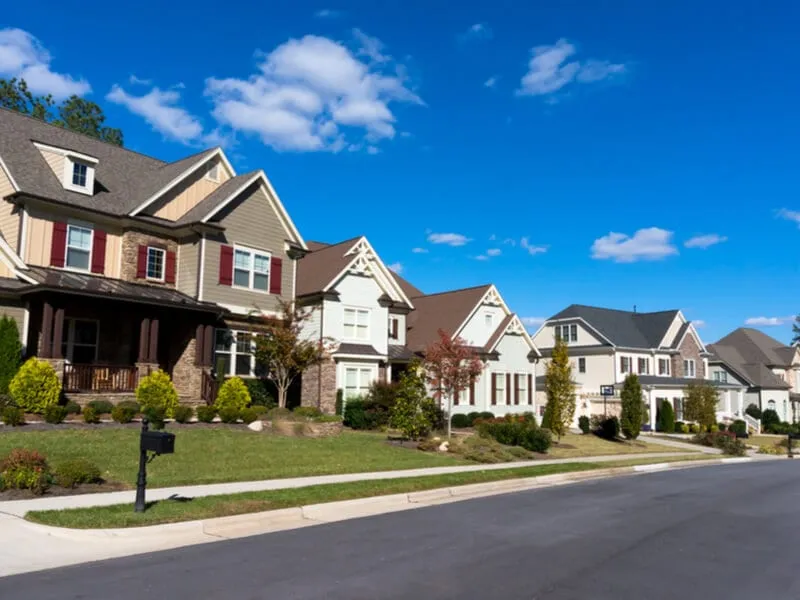
It was writer Howard E. Koch who mused, "You can be a good neighbor only if you have good neighbors." Of course, you don't get to choose the people who live around you. Still, a new type of development can help limit the chances of living next to a dud.
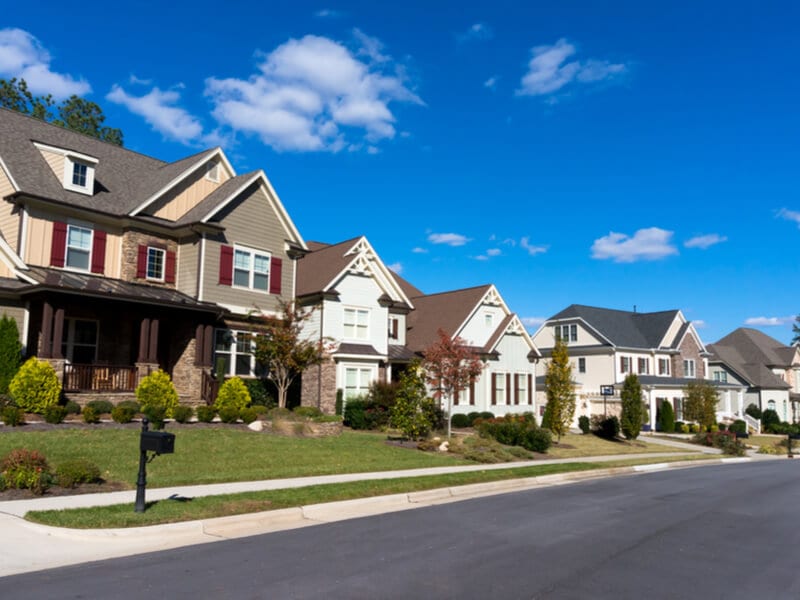
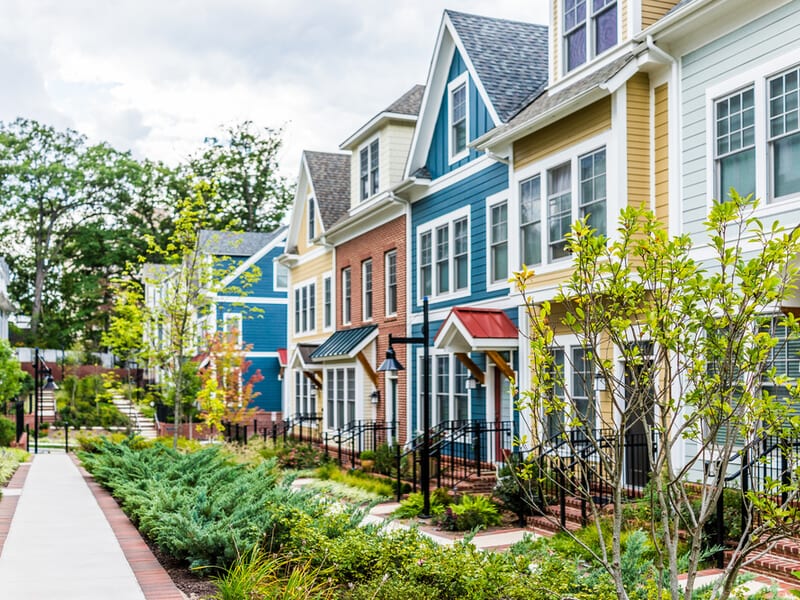
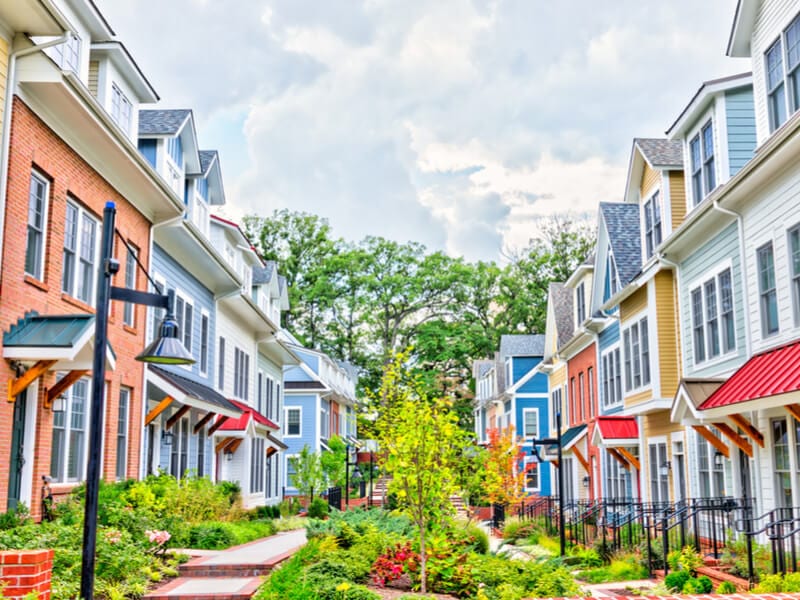
Pocket neighborhoods are small developments of 12 houses or fewer that are specifically designed to encourage neighborly interaction. By structuring the development around common areas and purposefully keeping homes on the small side, these little neighborhoods can have big benefits.
Before you consider whether or not a pocket neighborhood is right for you, get to know the next big idea in small developments.
The basics
The idea of these smaller neighborhoods was actually the brainchild of renowned architect Ross Chapin. His idea was to create smaller patches of housing that encouraged neighbors to interact with one another. And, since he hailed from California, it makes sense that he would crave less populated areas where neighbors had more day-to-day dealings. The idea caught on; today, there are hundreds of pocket neighborhoods all over the country. The idea behind a pocket neighborhood is to create a central meeting place or shared space that encourages the neighbors to socialize. That's also the idea behind the magic number of homes: 12. Chapin suggested that it was the ideal number of homes for a smaller neighborhood. By limiting the homes, it's easier for neighbors to get to know one another on a personal level. It's interesting to note, however, that several pocket developments can be linked together in one larger development. Each neighborhood would still be limited to 12 homes and still center around a shared space.
Why cities love them
Larger cities love the idea of pocket neighborhoods for a few specific reasons. First, they can really use up forgotten space between commercial and residential areas. Second, they're typically well-kept and can increase property values in and around the development. They may even be used to split too-large lots that are a hard sell for a homeowner or developer. While pocket neighborhoods might not be subject to the same covenants and restrictions as typical housing, they're usually designed by a competent architect who knows how to make neighborhoods desirable. Pocket neighborhoods are also a great alternative to other types of multi-family housing. Rather than apartments or townhouses, they offer the privacy of a single-family home with the amenities of a townhome or apartment development. Single-family homes are nearly always a better investment for cities — and homeowners, for that matter.