A Complete List of Organizations That Help With Moving Expenses

It’s a well-known fact that moving can be quite expensive. For various reasons, people in the process of moving often look for charities that help with moving expenses. However, it can be difficult to find a central resource for help.
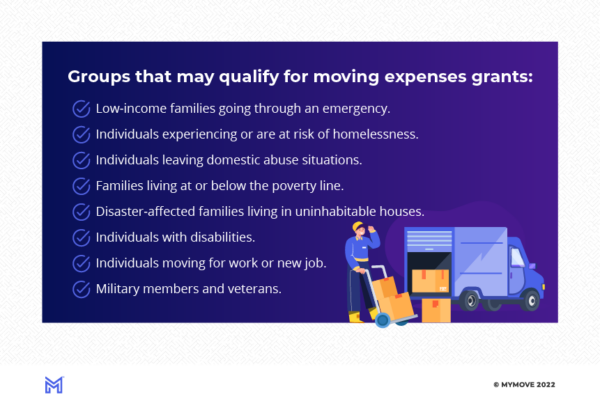
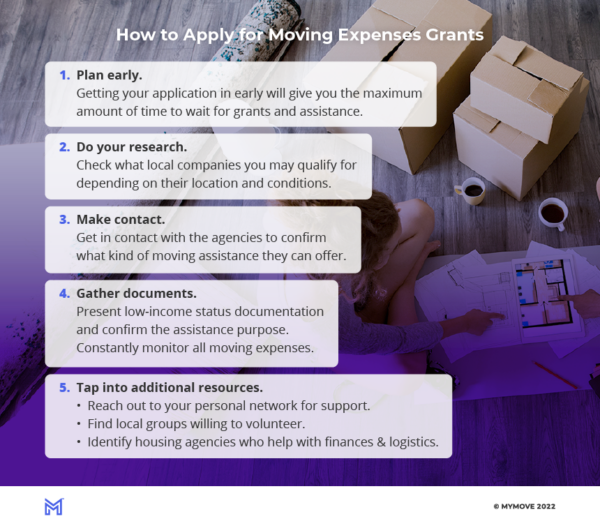
Most programs that offer help with moving expenses are focused on low-income individuals and families. Reach out to moving assistance programs in your community. Even if local organizations don’t offer moving grants for low-income families, they can help connect you to resources at the state or federal level. Here are some organizations that can help you with your moving expenses.
Jump to:
Moving grants and government assistance
Federal Relocation Assistance Program
The Federal Emergency Management Administration (FEMA) administers funding through the Federal Relocation Assistance Program. If you’re looking for help with moving costs because your home was affected by a natural disaster, this program offers resources for you. Beyond just moving assistance, this program could help you with home repairs or temporary housing. Qualifications: Your housing must be damaged in a natural disaster to the point where you cannot live there. Case-by-case home inspections determine which funding resources you’re eligible for. How to apply: You can access the application at DisasterAssistance.gov. On the application, you must explain what natural disaster happened and the resulting damage. For immediate assistance, they recommend calling 911 in an emergency. The FEMA mobile app helps you locate temporary emergency shelters in cases of displacement from your home. Relocation Assistance Program contact info: Visit FEMA’s Individual Disaster Assistance hub or call the FEMA Help Line at 1-800-621-3362.211.org Programs
211 is a hotline phone number that connects you directly to the resources you need and qualify for. The United Way supports this program and focuses on helping you find organizations that help with moving costs or other low-income moving assistance programs. Qualifications: Anyone can call 211 or use their website toll-free and with confidentiality. However, your area’s support services will have a range of qualifications, which your 211 hotline operator can help you evaluate. How to apply: Your 211 trained operator will help you get the contact information for local agencies or links to applications for resources, including those who help with one-time emergency grants and moving assistance in particular. 211.org contact info: Call 211 or visit 211.org.Community Development Block Grants Through Community Action Agencies
The Office of Community Services, part of the Administration for Children & Families, administers millions of dollars annually in Community Development Block Grants. If you need help with moving expenses, you may be eligible to have a portion of your first month’s rent paid through a local Community Action Agency. Some CAAs have a variety of assistance available, so consider reaching out to one near you. Qualifications: The individual CAA organization has different priorities for the money they receive in CDBG grants, but if they have a way to help with moving expenses, you’ll need to demonstrate that your family has a low income and that you cannot afford moving costs. How to apply: In many CAA organizations, you’ll have an assessment appointment, where Supportive Services will evaluate what you’re eligible to receive. You’d want to bring any documentation of your income, such as pay stubs, as well as anything else your contact at the CAA suggests. Community Action Agency contact info: Visit Find a CAP to find the agency closest to you; they may list an email or phone number as the best way to get in touch.IRS Moving Expenses Deduction
While not a direct grant, one important resource when you’re looking for moving assistance for low-income families is the IRS Moving Expenses Deduction. While the deduction is currently suspended until 2025 for non-military families, this can be an important benefit for military movers. Deducting these expenses from your income means you won’t pay taxes on them, reducing your overall tax burden and saving you money. Qualifications: Anyone in the military who spends on their move (whether it’s the costs associated with temporary lodging, professional movers, or storage facilities) may qualify for these deductions. After 2025, this deduction may be reinstated for other taxpayers (not just military) in the future. How to apply: Keep track of all moving expenses and save receipts whenever possible. Claim the allowed expenses on your federal tax return, and you don’t have to file any special forms. Make sure to keep all of your receipts. IRS contact info: Form 3903 offers information on what expenses count as moving expenses so you can get the maximum deduction and savings.VA Housing Assistance
The Veterans Administration, or VA, is well-known for offering loans with favorable terms to veterans who are buying homes, but VA housing assistance may also be able to connect you to local charities that help with moving expenses. They can help disabled veterans apply for housing grants, and they have a Veterans’ Crisis Line that can help you know which available services will help your move go smoothly.Employer compensation
If you’re moving for a new job, you may consider asking for moving expense reimbursement as a part of your compensation negotiation. While this may not pay for every expense you incur by moving, even a small moving expense allowance can give you the upfront cash you need to get started in a new place. *Please note that the ongoing coronavirus pandemic may impact hours and information for the groups listed above. Reach out to the organization or agency directly for the most up-to-date information.