Learn How to Paint Brick with this Step-by-Step Guide
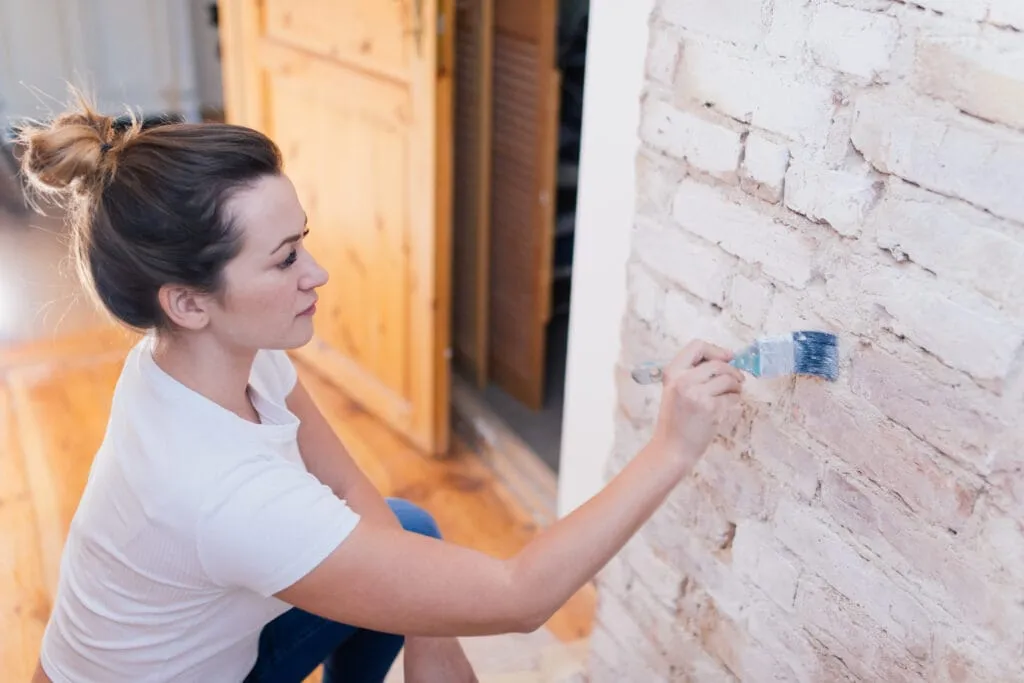
If you’re looking to give your home a fresh new look, painting interior or exterior brick is a great place to start. Brick paint isn’t just inexpensive to buy, it’s also easy to apply, provided you know how to do it.
Keep reading for a step-by-step guide on how to paint brick, including how to prep your brick, what tools you'll need, alternatives to brick paint, and more. You’ll be a brick painting pro in no time.
3 steps to painting brick
1. Clean and prep the brick
If you’re painting exterior brick, washing with a high-pressure hose will do the trick for removing dirt, dust, and other debris. If applying brick paint inside your house, use soapy water and a wire brush to remove any particles that may stop the paint from adhering. Let your brick dry completely over a 24-hour period, as paint won’t stick to wet brick, and check for any cracks or damage that need repairing. Then, tape off the sections you don’t want to paint. Pro tips: Make sure any brick surface you’re painting has been installed for at least one year so it’s had enough time to dry and acclimate. When cleaning, don’t use acidic cleaners, as they can damage your final paint job.2. Apply a primer
Before you apply brick paint, it’s essential that you apply a primer specially formulated for brick surfaces, as brick is very porous. These contain latex for its high level of elasticity. If you’re painting onto a large brick surface, use a roller or paint sprayer. Be sure to wear safety equipment such as goggles, gloves, and a mask. Smaller sections, however, will be fine using a brush. Apply one to two coats and let it dry for at least 24 hours.3. Apply your paint
When selecting a brick paint, ensure it is a latex paint designed for brick or masonry. If you’re painting the interior of a brick fireplace, make sure you’re using heat-proof paint too. You can use a paint sprayer for a larger surface area, or a roller or brush for any size area, depending on your preference. Make sure your roller has a nap (the thickness of its cover) between 20 to 32mm, as this will help it to spread the paint further into any nooks and crannies. Allow your first coat to dry for a further 24 hours before deciding if a second coat is required.Products and tools you’ll need to paint brick
- Metal brush: This is a heavy-duty brush which is perfect for getting into the crevices of bricks and removing dirt, dust, and other debris.
- Paintbrush, roller, or spray paint equipment: If you’re using a paintbrush, buy an assortment of sizes to suit your needs. You can also use a paint roller with a thick nap to get into the brick crevices. Alternatively, if you’re painting a large area, spray paint equipment is recommended to make the job easier.
- Liquid detergent (such as Dawn or Palmolive): Mix a small amount of liquid detergent with water to create a safe cleaning solution for your bricks.
- Brick paint: Only buy paint designed for masonry, stucco, or bricks, as this contains latex, which is necessary for filling in the porous texture of the brick.
- Brick primer: It’s also advised that you only buy a primer specifically for brick surfaces, as this also contains much-needed latex.
- Painter’s tape: This allows you to tape off areas you don’t wish to paint, including window and door frames.